In furniture finishing and wood coating formulations, cellulose acetate butyrate (CAB) has long been recognized as a high-performance additive. It promotes faster solvent release, reduces drying time, improves flow and leveling, and enhances gloss, scratch resistance, and overall film appearance. However, achieving these benefits depends on selecting the right CAB grade for your formulation.
Among the various CAB grades, which grade is the best fit for wood coatings? Instead of focusing on automotive applications, this guide takes a practical look at the performance requirements of wood finishes and explains how to choose the most suitable CAB grade for your specific needs.
I. Three Core Priorities for CAB in Wood Coatings
In wood coating formulations, CAB is typically added to address three key challenges:
Slow drying—especially in high-humidity environments or thick-film applications, where tack-free and hard-dry times directly impact production efficiency
Poor leveling—brush marks, orange peel, and cratering compromise furniture appearance and tactile quality
Inadequate film flexibility or hardness—films that are too brittle tend to crack, while those too soft lack scratch resistance
Different CAB grades vary significantly in these three aspects due to differences in viscosity, butyryl content, and hydroxyl content.
II. Practical Roles of Common CAB Grades in Wood Coatings
1. CAB-381-0.5 — The Versatile All-Rounder
This is the most common entry-level choice in wood coating formulations. It strikes an excellent balance between compatibility and viscosity, improving leveling while effectively promoting solvent release and shortening drying time.
Best for: General-purpose wood coatings, including clear coats, pigmented finishes, and sealers
Key value: Reliable performance with no major weaknesses
Not ideal for: Systems demanding extreme hardness or ultra-fast drying
2. CAB-381-2 — Top Choice for High-Hardness Topcoats
Compared to 381-0.5, CAB-381-2 has higher viscosity and delivers noticeably better surface hardness and scratch resistance after film formation.
Best for: Topcoats for dining tables, coffee tables, flooring, and other applications requiring wear and scratch resistance
Key value: Enhances film hardness while maintaining good pigment orientation control
Note: Higher viscosity requires appropriate solvent adjustments in formulation
3. CAB-381-20 — The Rheology Modifier Expert
This is not a primary film-forming resin but a rheology modifier. Its high viscosity effectively prevents sagging during thick-film or vertical-surface applications.
Best for: High-build topcoats and vertical surface wood finishing
Key value: Provides thickening and anti-settling properties with minimal impact on other film performance attributes
4. CAB-381-0.1 — Low-Viscosity Fast-Dry Assistant
With extremely low viscosity, even small additions significantly reduce system viscosity, improve leveling, and accelerate surface drying.
Best for: High-speed production lines requiring rapid layer stacking, or viscosity adjustment in high-solids systems
Key value: Boosts application efficiency without sacrificing solids content
5. CAB-551-0.2 — High-Compatibility "Modifier Master"
With high butyryl content, this grade offers exceptional compatibility with major wood coating binders including alkyd, polyurethane, and acrylic resins. As a modifier, it improves leveling, shortens drying time, and significantly reduces film shrinkage stress, lowering the risk of stress-induced cracking.
Best for: Compatibility adjustment in complex resin systems, premium matte topcoats
Key value: Enhances system stability while imparting better film flexibility
6. CAB-551-0.01 — Extreme Fast-Drying Solution
Ultra-low viscosity and excellent compatibility make this grade highly effective at accelerating solvent release and shortening tack-free time.
Best for: Quick-repair coatings, low-temperature curing systems, high-efficiency mass-production finishing lines
Key value: Noticeable drying speed improvement with maintained leveling performance

III. Quick Selection Table for Wood Coatings
|
Priority Need |
Recommended Grade |
Core Value |
|
General-purpose, balanced performance |
CAB-381-0.5 |
Versatile and reliable, lowest risk |
|
High hardness, scratch resistance |
CAB-381-2 |
Significant topcoat hardness improvement |
|
Thick-film anti-sagging |
CAB-381-20 |
Rheology control for vertical applications |
|
Fast drying, production line efficiency |
CAB-381-0.1 / 551-0.01 |
Shortens cycle times |
|
Complex resin system compatibility |
CAB-551-0.2 |
Excellent compatibility, reduces cracking risk |
IV. Common Pitfalls: 3 Mistakes to Avoid When Selecting CAB for Wood Coatings
Mistake #1: Higher viscosity is always better. High-viscosity grades like CAB-381-20 work well as rheology modifiers, but using them as the primary resin actually increases application viscosity and impairs leveling.
Mistake #2: The 551 series can fully replace the 381 series. While 551 offers superior compatibility, it falls short of the 381 series in hardness enhancement and pigment orientation. Treat them as complements, not substitutes.
Mistake #3: More CAB means faster drying. Excessive addition can make the film brittle and compromise intercoat adhesion. We recommend starting at 3%–8% of total formulation weight and conducting gradient tests.
The Best CAB Is the One That Fits Your Formulation
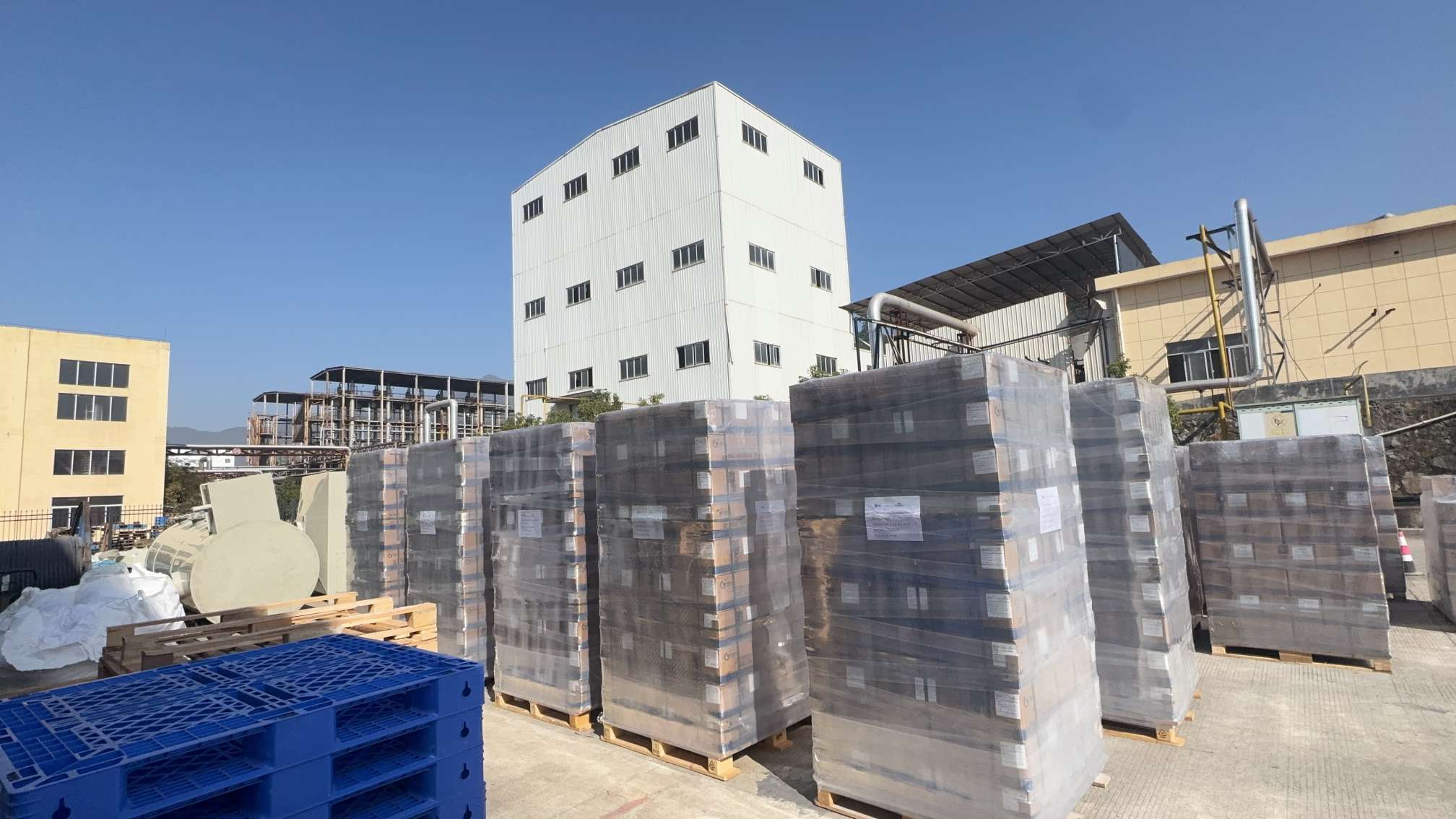
As a professional Cellulose Acetate Butyrate (CAB) supplier in China, we have been serving the global coatings industry since 2014. Our manufacturing facility covers 54,500 m², is certified to ISO 9001, ISO 14001, ISO 45001, and holds EU REACH registration. With an annual production capacity of 10,000 tons of CAB and 6,000 tons of Cellulose Acetate (CA), we ensure a stable and reliable supply to customers worldwide.
Selecting the right CAB grade is one of the most effective ways to optimize wood coating performance. Whether you are developing a new wood coating formulation or optimizing an existing system, we are committed to providing reliable products, professional technical support, and customized formulation recommendations to help you achieve the ideal balance of performance, processing efficiency, and cost.