In the field of gold mining and metallurgy, how to efficiently and cost-effectively "capture" gold and silver from cyanide solutions is the core factor that determines the overall profitability of a project. Among the various gold recovery methods, the Merrill–Crowe process stands out for its exceptionally high precipitation efficiency and mature industrial application, remaining the preferred choice for large-scale gold and silver mines worldwide.
This article takes you through the chemical principles of the Merrill–Crowe process and explains why high-purity zinc dust is the undisputed "heart" of this flowsheet.
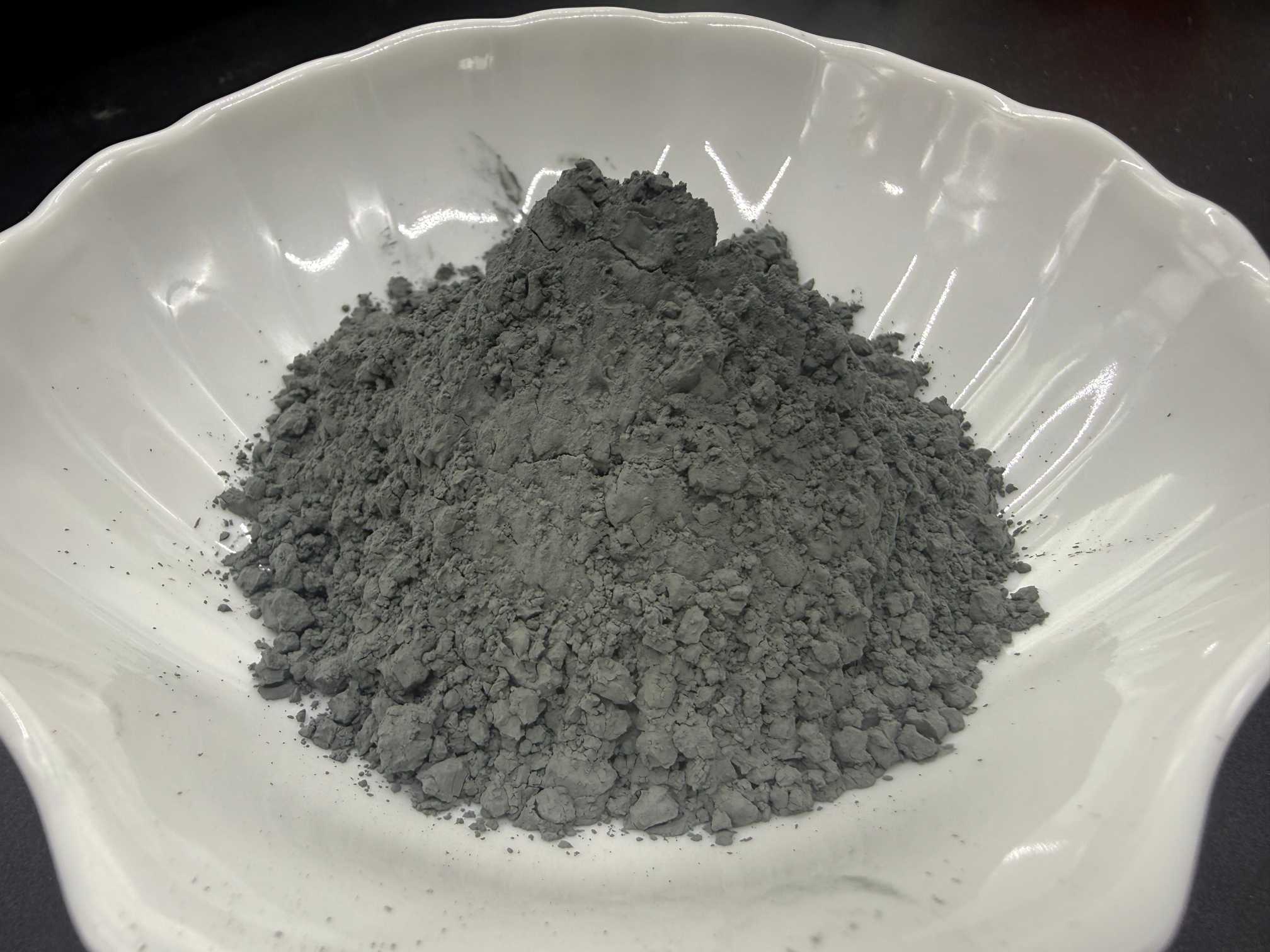
What Is the Merrill–Crowe Process?
In simple terms, the Merrill–Crowe process is a hydrometallurgical method that uses zinc dust cementation to precipitate precious metals (gold and silver) from alkaline cyanide solutions. Invented in the late 19th century by Charles Washington Merrill and Thomas B. Crowe, this process has stood the test of time for over a century, thanks to its stable operation and high recovery rates.
The basic flowsheet consists of the following key steps:
1. Clarification of Pregnant Solution: The gold-bearing solution (pregnant solution) from the leaching circuit is passed through filtration equipment to remove suspended solids, ensuring a clear solution.
2. Vacuum Deoxygenation: This is a critical step! Dissolved oxygen consumes zinc dust and reduces precipitation efficiency. Therefore, the solution must be deoxygenated in a vacuum deaerating tower.
3. Zinc Dust Addition and Cementation: High-purity zinc dust is precisely metered into the deoxygenated pregnant solution to initiate the displacement reaction.
4. Pressure Filtration and Recovery: The mixture containing gold and silver precipitates enters a plate-and-frame filter press, producing a high-grade gold sludge, which is then sent for refining.
The Core Chemistry: How Does Zinc Dust "Capture" Gold?
The chemical foundation of the Merrill–Crowe process is an electrochemical displacement reaction. Because zinc is more reactive (more negative electrode potential) than gold and silver, zinc dust loses electrons to become zinc ions (Zn²⁺), while gold ions (Au⁺) or silver ions (Ag⁺) in the solution gain electrons and are reduced to metallic form, precipitating onto the zinc particles.
Main reaction equation (using gold as an example):
Zn + 2NaAu(CN)₂ → Na₂Zn(CN)₄ + 2Au↓
However, actual production is not always this ideal. If zinc dust is of insufficient purity or has uneven particle size, side reactions (such as zinc reacting with water to produce hydrogen gas) can occur. This leads to a sharp increase in zinc consumption and may form colloidal substances that are difficult to filter.
The Key to Process Success: High-Performance Zinc Dust
In the Merrill–Crowe flowsheet, the quality of zinc dust directly determines precious metal recovery rates, filtration efficiency, and overall operating costs. Not all zinc dust is suitable for this application. Zinc dust specifically engineered for this demanding process must possess the following characteristics:
1. High Purity (≥99% Total Zinc)
Impurities—especially lead, iron, and cadmium—can create micro-galvanic cells on the zinc particle surface, increasing unnecessary zinc consumption. More importantly, low impurity content ensures a clean cementation reaction, preventing contaminants from interfering with subsequent gold sludge refining.
2. Consistent Particle Size Distribution (e.g., 325 Mesh Grade)
Particles that are too large have low specific surface area, resulting in slow reaction rates and incomplete gold precipitation. Particles that are too fine, while reactive, tend to clog filter cloths and reduce filter press efficiency. A stable particle size distribution (e.g., 95% passing through a 45-micron sieve) is the key to balancing reaction kinetics and solid-liquid separation performance.
3. High Specific Surface Area and Reactivity
Zinc dust produced via specialized atomization or distillation-condensation processes features a thin surface oxide layer and a porous microstructure. This morphology imparts high surface activity, significantly accelerating the kinetics of gold precipitation and ensuring complete precious metal recovery within a very short residence time.
4. Excellent Flowability
In large-scale industrial automated dosing systems, the flowability of zinc dust determines the stability and accuracy of feed rates. Poor-flowing powders tend to bridge or clog feeding equipment, causing fluctuations in zinc addition and compromising recovery stability.
Technical Data Interpretation
Taking the industry-leading AAB Group ZP 325G high-purity zinc dust as an example, its technical specifications tailored for the Merrill–Crowe process demonstrate the benchmark for quality zinc dust:
Metallic Zinc ≥96.0%: High active content ensures strong displacement driving force.
Residue on 45µm Sieve ≤0.05%: Strict compliance with the 325-mesh standard ensures neither gold loss nor filter cloth blockage.
Lead, Iron, and Cadmium Content All ≤0.01%: Ultra-low impurity levels are the guarantee for producing high-purity gold sludge and simplifying the refining process.
If you are operating a Merrill–Crowe gold recovery circuit, now is the time to evaluate the quality and performance of your zinc dust. A small upgrade in reagent selection can deliver substantial gains in precious metal recovery, process stability, and operational profitability—making high-performance zinc dust one of the most cost-effective investments in your entire refining process.